

 Reserve a Free Trial Training
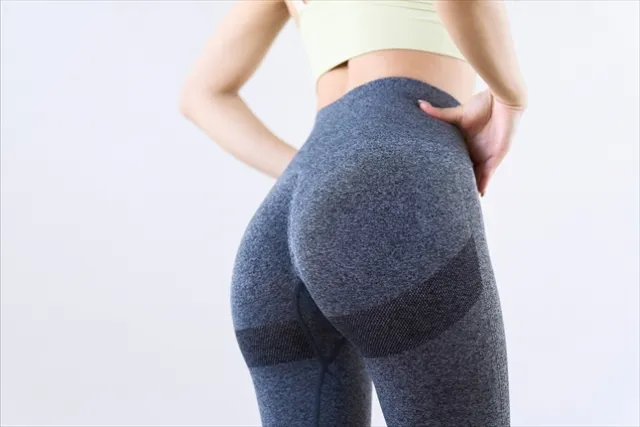
A common trap for people aiming for a lifted, firmer butt is simply “doing workouts without a clear plan.”
In reality, even the same exercise can produce very different results depending on your technique and mindset.
In this article, we’ll explain practical, home-friendly training methods that maximize hip-up results.
If you’re new to hip-up training, you may also find this article helpful:
What Is Hip-Up Training? Tips for Achieving Your Ideal Hip Line in the Shortest Time
- NSCA-CPT (Certified Trainer by NSCA)
- Level 1 Diet Certification
Worked at ECC Corporation before gaining experience at a major personal gym. Currently self-employed.
The Most Effective Hip-Up Exercise
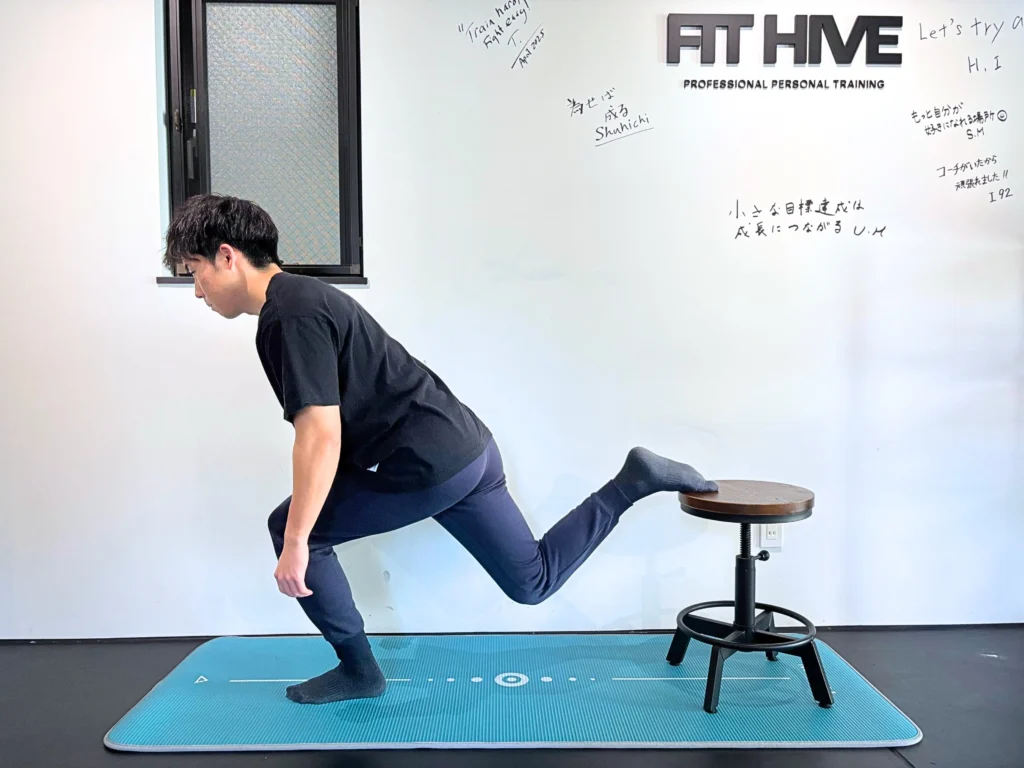
The best exercise for hip-up, in our opinion, is the Bulgarian split squat.
Why Bulgarian Split Squats Are So Effective
Because they’re performed on one leg, Bulgarian split squats train multiple glute muscles at once.
They also help correct left-right imbalances, making it easier to build a balanced and lifted shape.
How to do it correctly
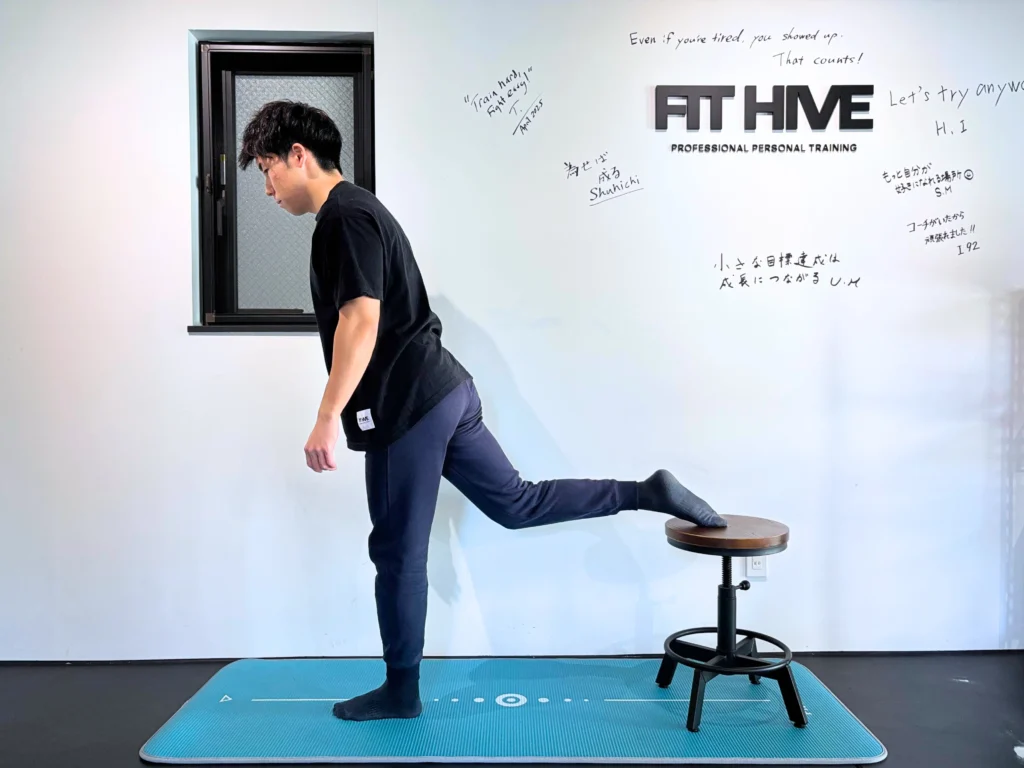
Place a chair or platform behind you, rest the toes of one foot on it, and step forward with the other foot.
Slowly lower your hips, then push through the front foot to stand back up.
- Gluteus maximus (main glute muscle)
- Hamstrings
- Quadriceps
- Gluteus medius
- Gluteus minimus
- Adductors
- Core (abs, obliques, erector spinae)
Intermediate: 10–12 reps × 3 sets
Advanced: 8–10 reps × 3 sets
- Don’t lean too far forward
- Push through your front heel
This exercise is highly effective, but only if your form is correct.
Mastering proper form should be your top priority.
Here are highly effective hip-up exercises that beginners can easily do at home.
Top 3 Beginner-Friendly Hip-Up Exercises
| Rank | Exercise | Benefits | Recommended reps |
|---|---|---|---|
| 1 | Hip Lift | Adds roundness and improves hip line | 15–20 reps × 3 |
| 2 | Back Kick | Builds shape and prevents sagging | 15–20 reps per leg × 3 |
| 3 | Clamshell | Tightens the side of the glutes | 15–20 reps per leg × 3 |
Hip Lift
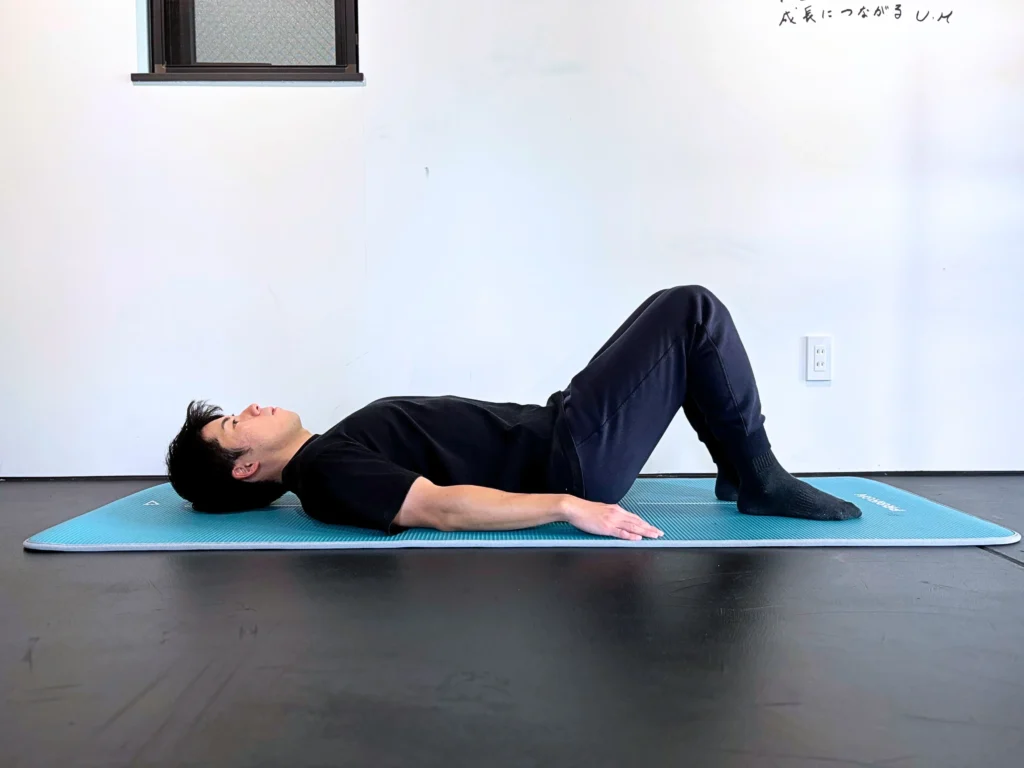
Lie on your back on the floor, bend your knees at a 90-degree angle, place your feet flat on the floor, and rest your hands by your sides.
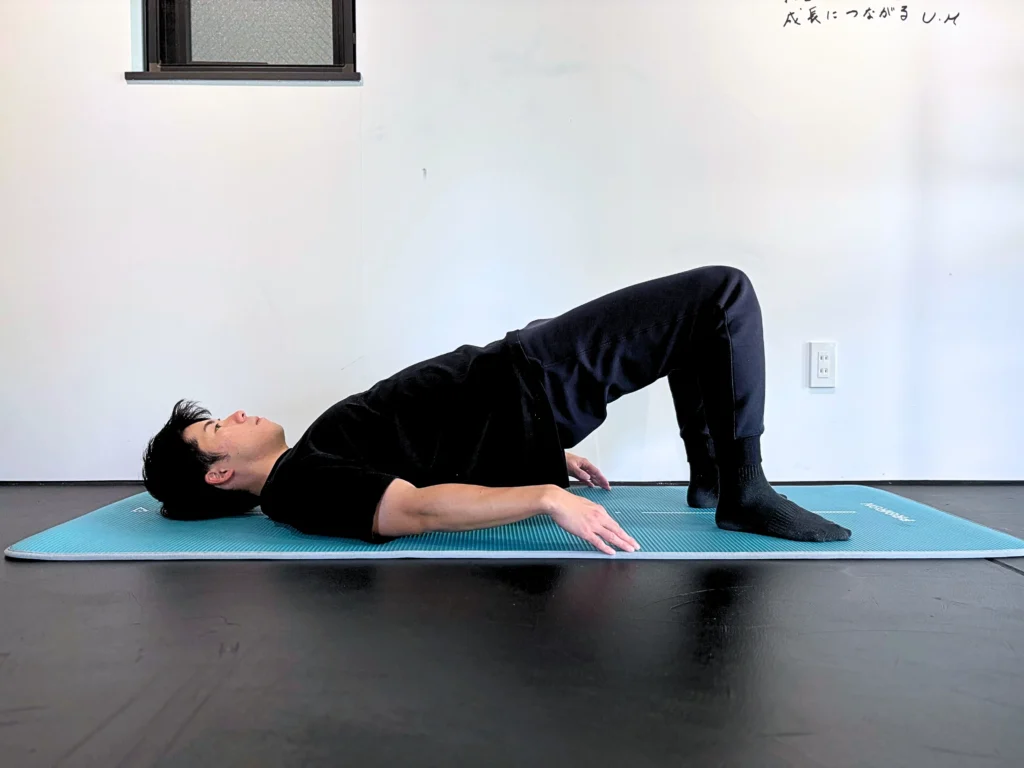
Lift your hips until your knees, hips, and shoulders form a straight line.
Hold for 3 seconds, then slowly lower.
- Gluteus maximus
- Hamstrings
Lifts the lower glute to create a smoother hip line
- Make sure to really squeeze your glutes!
- Focus on squeezing your glutes — not your lower back.
Back Kick
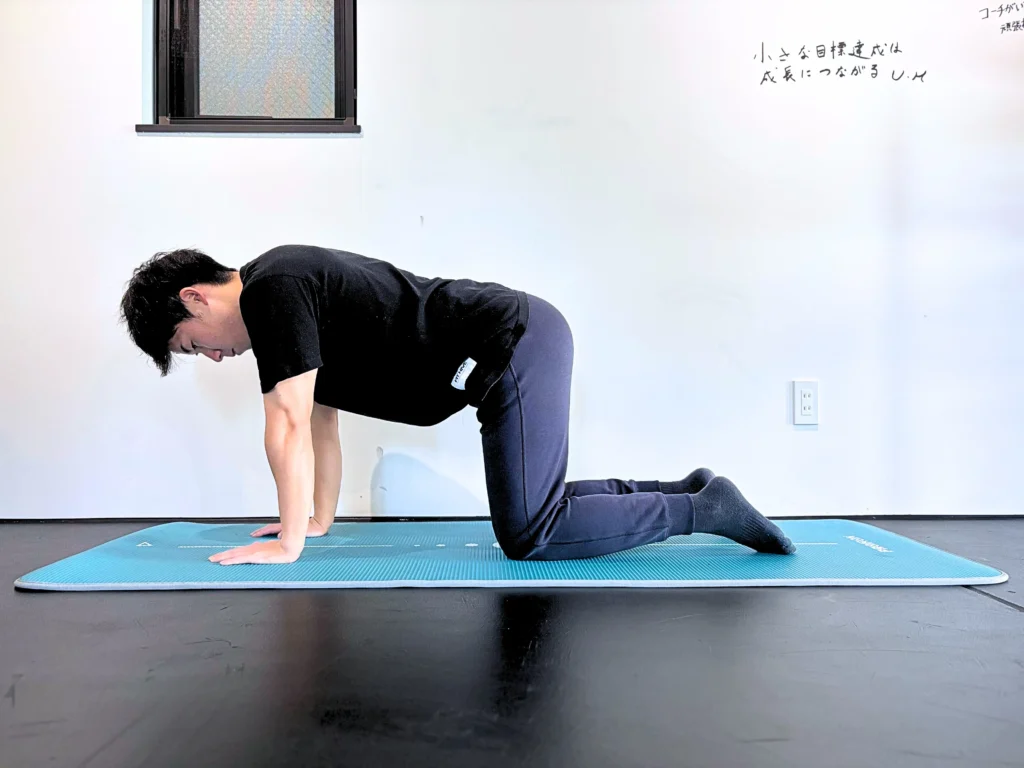
Get on all fours.
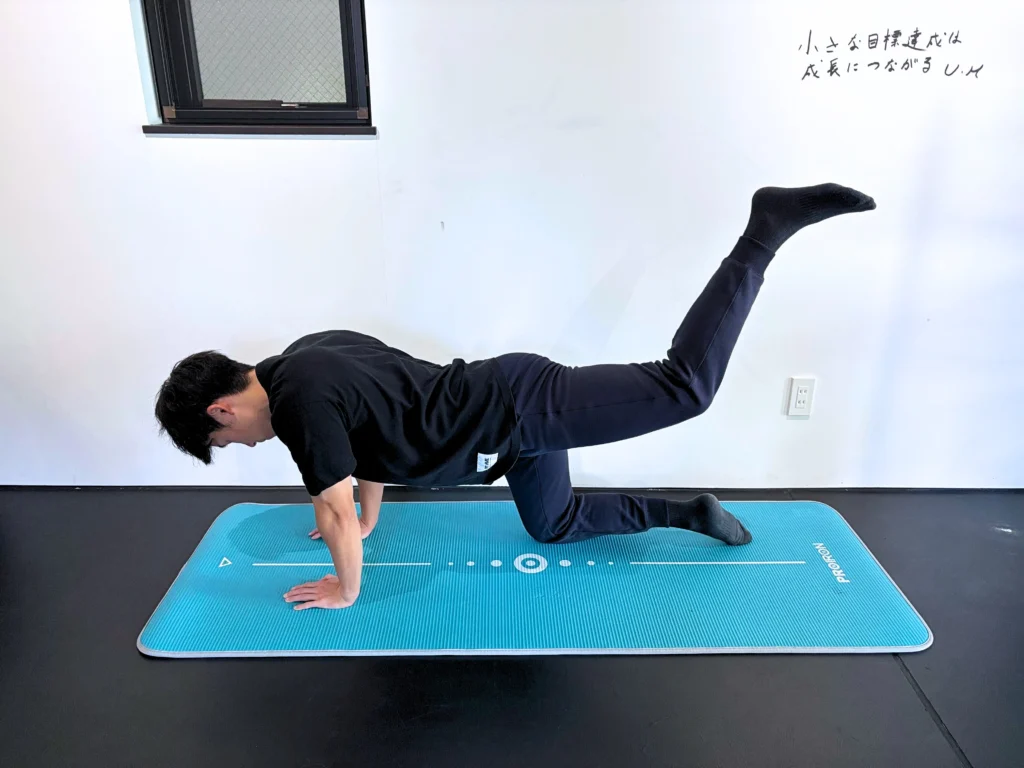
Lift one leg backward slowly.
Raise until you feel the glutes engage, then slowly return.
Switch legs after 10 reps.
- Gluteus maximus
- Hamstrings
- Stop where you feel your glutes working — don’t lift too high.
- Avoid arching your lower back.
Clamshell
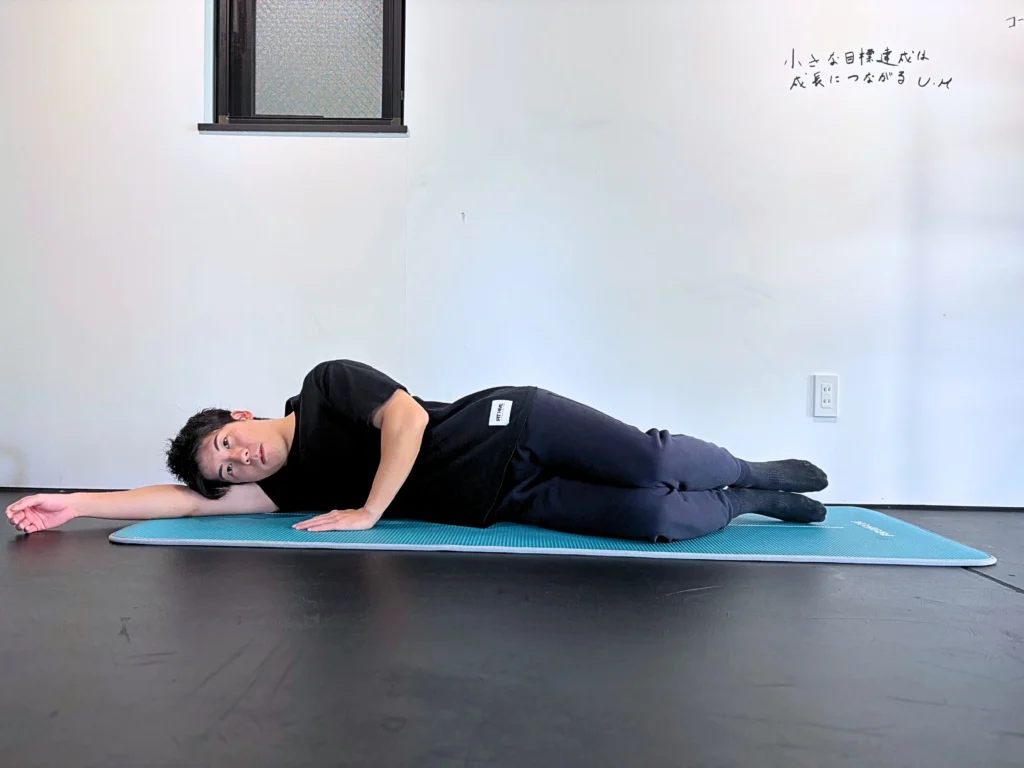
Lie on your side with knees bent at 90°.
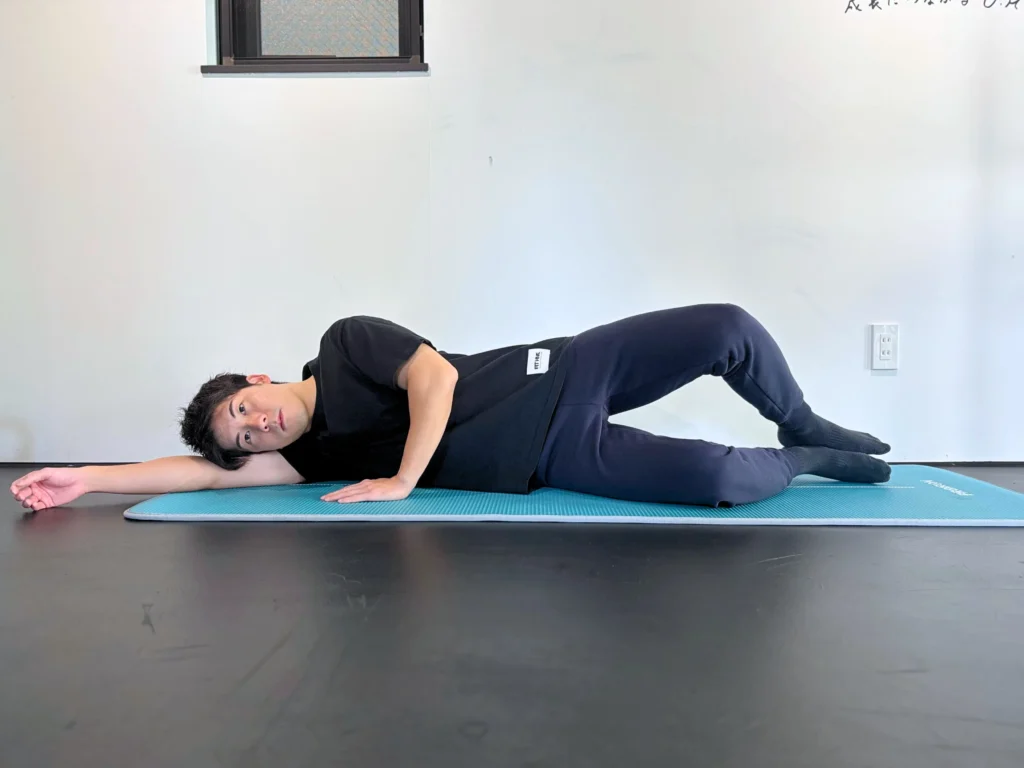
Keep your feet together and open your top knee like a clamshell.
Hold for 1–2 seconds, then slowly close.
- Gluteus medius
- Gluteus minimus
- Deep external rotators (a group of six muscles located deep in the glutes)
- Keep your body stable and focus on using the side glute muscles.
By incorporating a variety of exercises, you can give your muscles different types of stimulation and develop them evenly.
Also, it prevents you from getting used to the same movements, making it easier to continue without getting bored.
[Stay Motivated & Get Results Fast] Hip-Up Training Variations
To help you stay motivated, here are several effective hip-up exercises you can choose based on your goals and mood.
- Bulgarian Split Squat
- Romanian Deadlift (great for defining the boundary between glutes and legs)
- Hip Thrust (excellent for muscle growth with heavy loads)
| Difficulty | Exercise | Home/Gym | Muscles worked | Why it’s effective | Recommended reps | Common mistakes |
|---|---|---|---|---|---|---|
| Beginner | Goblet Squat | Home | Quads & glutes | Trains thighs and glutes together | 10–15 reps × 3 | Rounded back, knees forward |
| Intermediate | Sumo Dumbbell Squat | Home | Inner thighs & glutes | Tightens inner thighs and glutes | 10–15 reps × 3 | Knees collapsing inward |
| Intermediate | Single-Leg Hip Thrust | Home | Glutes & hamstrings | High lifting effect | 12–15 reps per leg × 3 | Arching back |
| Advanced | Single-Leg Straight Deadlift | Home | Glutes, hamstrings & core | Strengthens hip line deeply | 8–12 reps per leg × 3 | Losing balance |
Goblet Squat
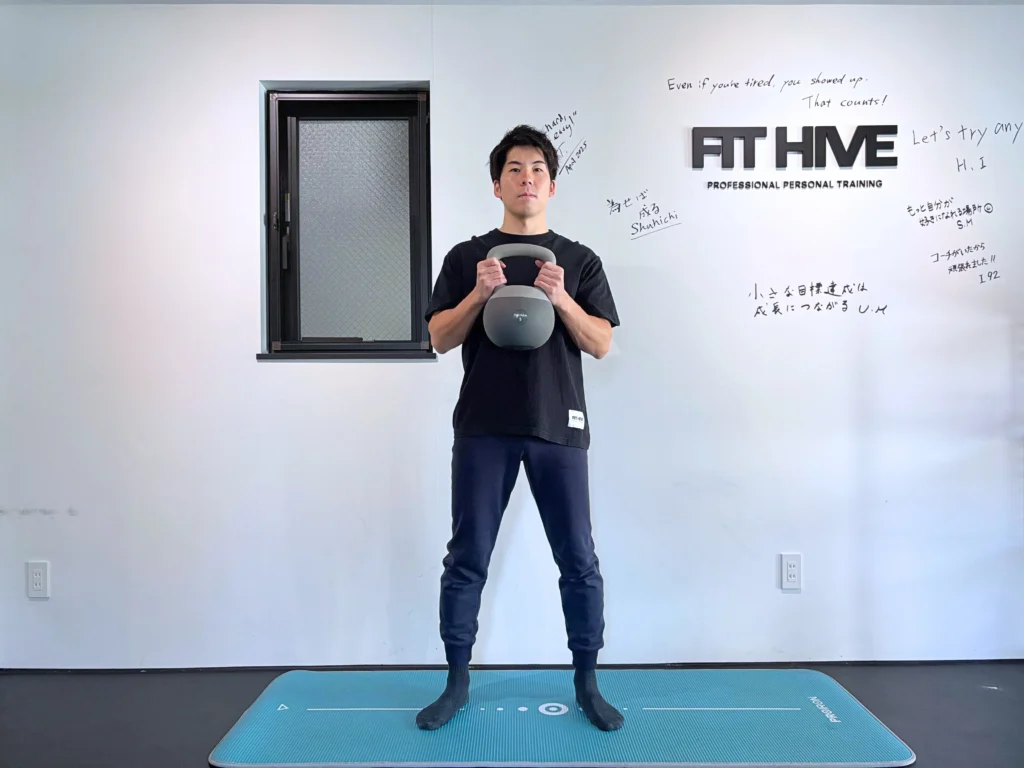
Hold a bottle or light dumbbell at chest level.
Stand with feet slightly wider than shoulder-width.
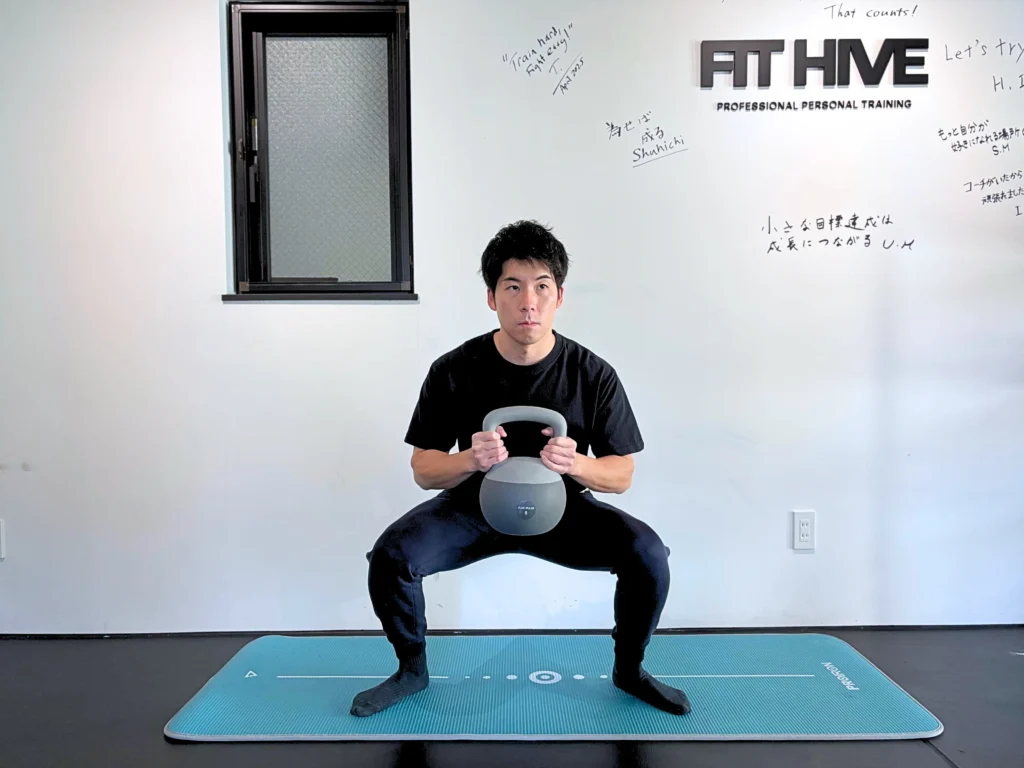
Keep your back straight and lower your hips.
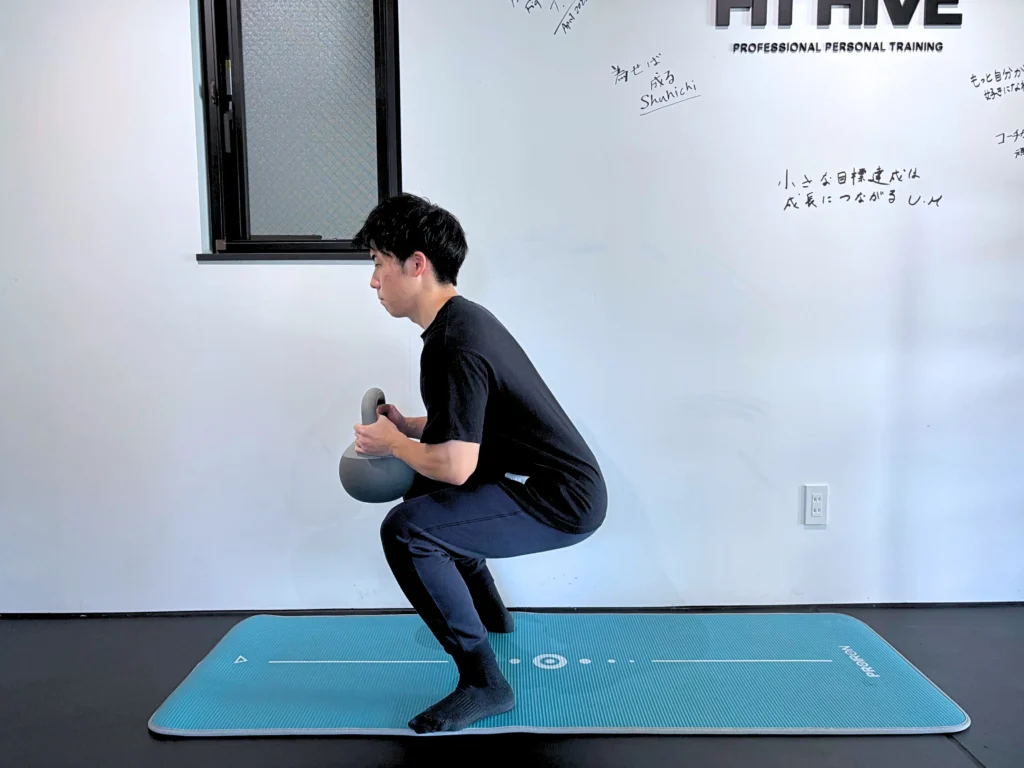
Make sure your knees don’t go past your toes, then stand back up.
- Gluteus maximus
- Quadriceps
- Keep your back straight and push your hips back.
Sumo Dumbbell Squat
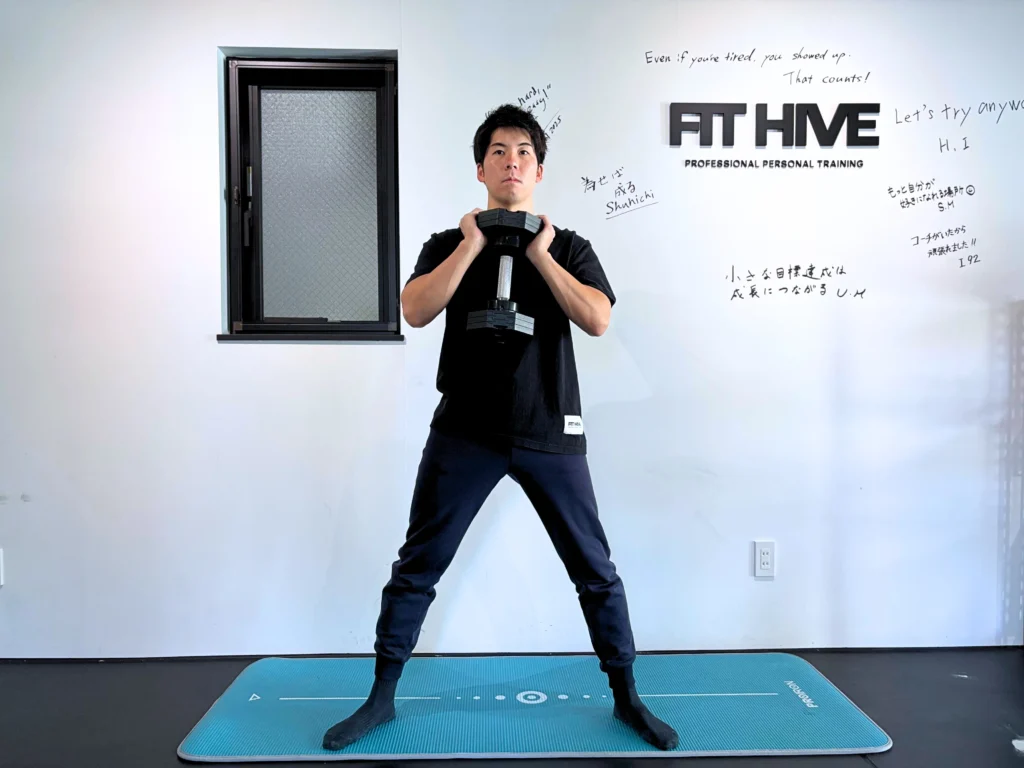
Stand with feet wide and toes pointed outward.
Hold a dumbbell (or bottle) in front of your body.
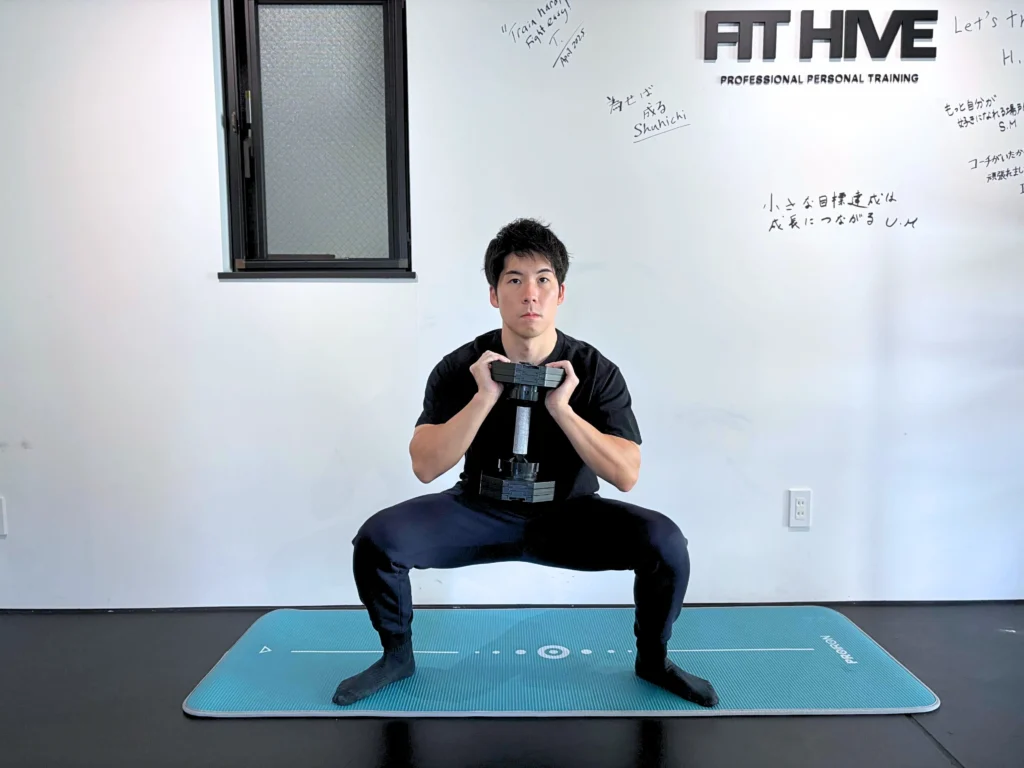
Lower your hips while keeping your back straight.
Ensure your knees follow the direction of your toes, then stand back up.
- Gluteus maximus
- Adductors
- Quadriceps
- Hamstrings
- Push your hips back to increase effectiveness.
Single-Leg Hip Thrust
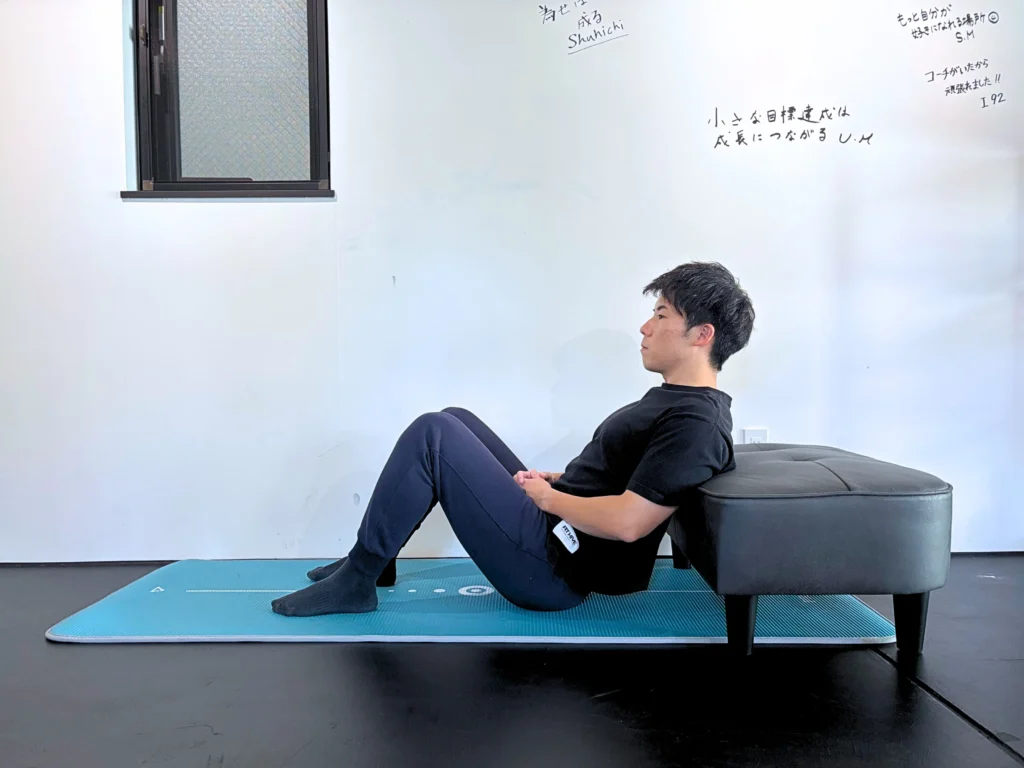
Sit with your upper back against a sofa or bench.
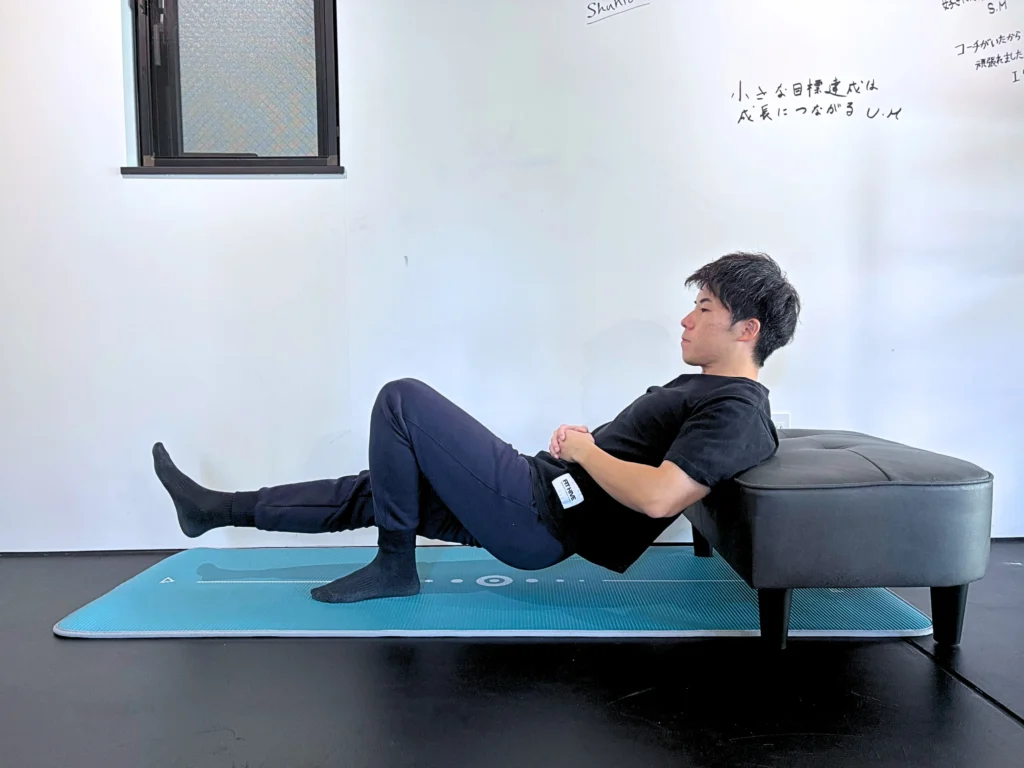
Place one foot on the floor and extend the other leg forward.
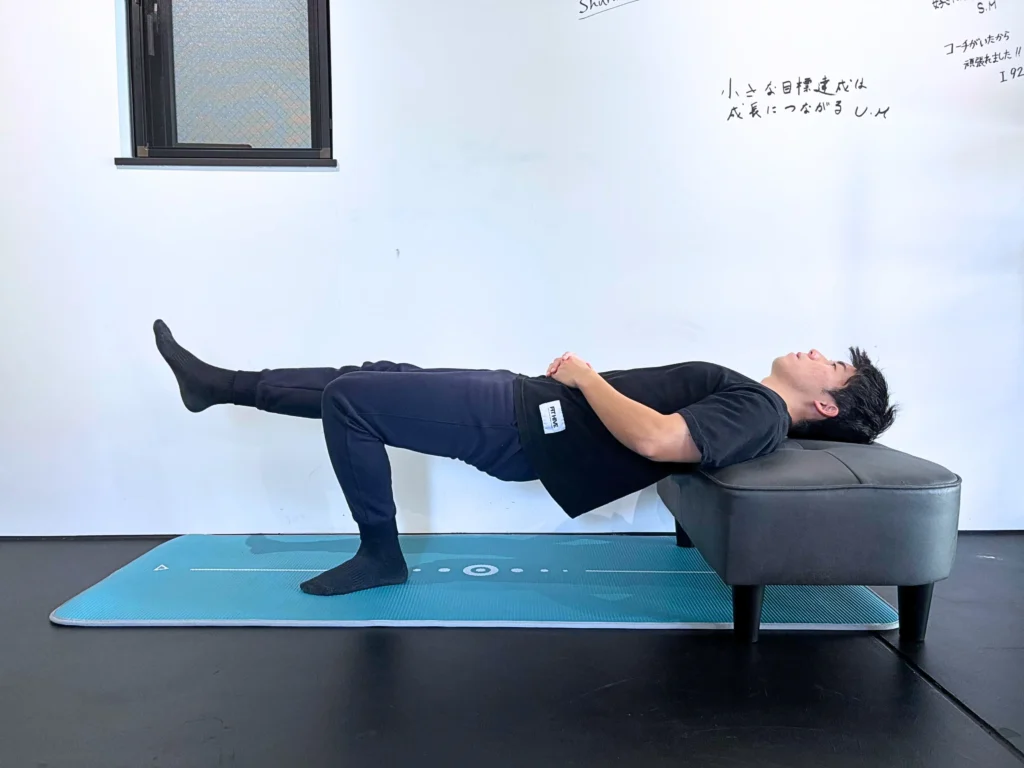
Press through the grounded foot to lift your hips.
Lower slowly and repeat.
- Gluteus maximus
- Hamstrings
- Squeeze your glutes at the top and keep your back straight.
Single-Leg Straight Deadlift
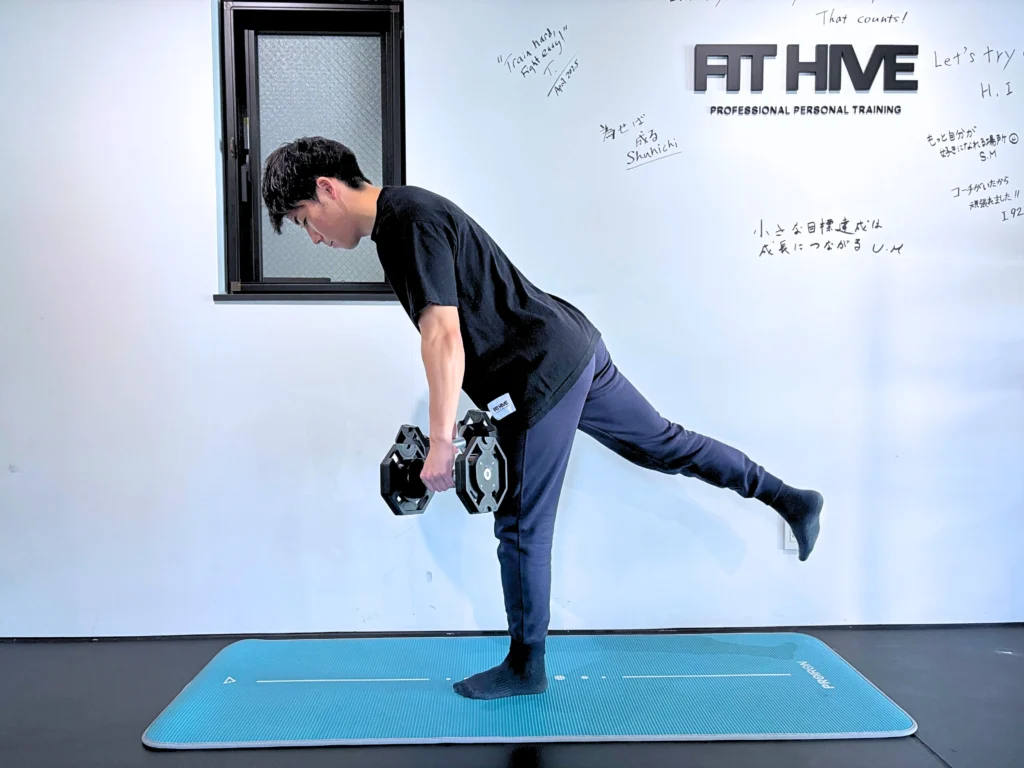
Stand on one leg and extend the other leg behind you.
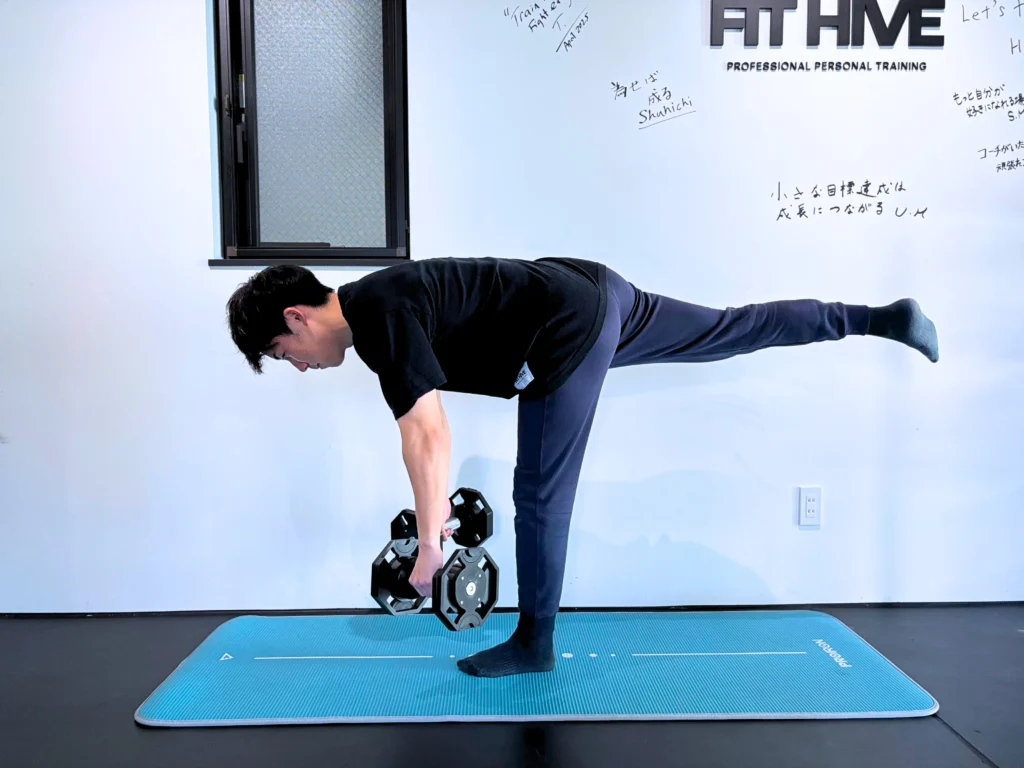
Keep your back straight and hinge forward.
When you feel your glutes stretch, return slowly.
Add a dumbbell once you’re comfortable.
- Gluteus maximus
- Hamstrings
- Core
- Practice near a wall for balance, and keep your back straight.
Example Training Programs
- Hip Lift 10 reps × 2
- Back Kick 10 reps × 2
- Goblet Squat 10 reps × 2
- Clamshell 10 reps × 2
- Sumo Dumbbell Squat 12 reps × 3
- Bulgarian Split Squat 10 reps × 3
- Single-Leg Hip Thrust 10 reps × 3
- Single-Leg Straight Deadlift 10 reps × 3
- Add 1–2 exercises from the intermediate menu
Gym Machines Can Also Be Great for Hip-Up
Gym machines are easier to control than free weights, making them a safe option for beginners.
Machines like the leg press, leg curl, and hip abduction efficiently target the glute muscles and are highly recommended for those who want to enhance hip-up results.
If you want safe and guided training, consider personal training.
Why You Might Not Be Seeing Results (and What to Do About It)
Many people feel like they’re doing everything right but still aren’t seeing results.
Here are the most common reasons and solutions.
Why Your Hip-Up Training Isn’t Showing Results
- Incorrect form
- Not feeling the muscle working
- Low training frequency
- Not enough load
- Poor nutrition support
- Not enough recovery
| Cause | Symptoms | Solution |
|---|---|---|
| Incorrect form |
|
|
| Not feeling the muscle |
|
|
| Low frequency |
|
|
| Not enough load |
|
|
| Poor nutrition |
|
|
| Not enough recovery |
|
|
When You Can Expect Results from Hip-Up Training
Results vary, but here’s a typical timeline:
| 4 weeks | Begin to feel muscle firmness |
|---|---|
| 8 weeks | Visible changes start to appear |
| 12 weeks | Clear changes and closer to your ideal shape |
- Train 2–3 times per week
- Keep correct form
- Eat enough nutrition, especially protein
- Get 7–8 hours of sleep
7 Tips to Maximize Hip-Up Training
Knowing the exercises alone isn’t enough to effectively lift your hips.
These 7 key points will greatly boost your training results.
Focus on the target muscle (Mind-Muscle Connection)
This is the most important point.
Focusing on the muscle you want to train increases stimulation and results.
For example, during squats, feel your glutes contracting and stretching—this alone can make a big difference.
Before starting, place your hand on the target muscle to feel its position and movement.
Use correct form
If your form collapses, the wrong muscles get worked and you risk injury.
Start with light load and practice slowly.
Use a mirror or trainer if possible.
Move slowly without momentum
Using momentum reduces effectiveness and increases injury risk.
Try 2 seconds up and 3–4 seconds down.
Hold at the peak contraction
Hold the hardest position for 1–2 seconds to increase stimulation.
Breathe correctly
Holding your breath increases blood pressure and injury risk.
Exhale on exertion (lift/push), inhale on return (lower/release).
Make training a habit
Consistency is key.
Aim for 2–3 sessions per week for at least 4–8 weeks.
Follow progressive overload: increase reps or load gradually.
- Weeks 1–2: Perform the basic number of reps (e.g., 15 reps per exercise).
- Weeks 3–4: Increase the number of reps (e.g., 20 reps per exercise).
- From Week 5 onward: Increase the load (use dumbbells or resistance bands).
Eat enough protein
Muscles grow only with training + nutrition.
Protein is essential.
Aim for 1.6–2.0g per kg of body weight.
FAQ: Common Questions About Hip-Up Training Results
What is the most effective exercise for hip-up?
Bulgarian split squat.
It trains multiple glute muscles effectively.
How many weeks until results appear?
Most people see visible changes in 8–12 weeks.
Is it okay to do hip-up training every day?
Not recommended.
Train 2–3 times per week and leave 48 hours between sessions.
I’m worried my butt will get bigger.
Training does not always mean getting bigger.
Low to moderate load can lift and shape without increasing size.
Can I do hip-up training at home without equipment?
Yes.
Hip lifts, back kicks, and clamshells are highly effective without equipment.
As you progress, adding dumbbells or bands can help.
Summary
To maximize hip-up results, you need correct form, muscle awareness, consistency, nutrition, and recovery.
Choose exercises that match your level and keep progressing.
Beginner: Focus on form
Intermediate: Increase load
Advanced: Use gym equipment for further muscle growth
If you’re serious about hip-up in Osaka, trust FIT HIVE.
We’ll create the best plan for your goals and guide you with correct form to reach your ideal hip shape quickly.

\ Get the latest news /
