

 Reserve a Free Trial Training

Have you ever wondered, “Is personal training actually a waste of money?”
On social media, it’s not uncommon to see people say that personal training is “not worth it.” However, many of these opinions come from mismatched gym choices or ineffective training habits.
In other words, with the right knowledge and preparation beforehand, you can easily avoid feeling like personal training was a waste.
In this article, we’ll explain the three main reasons why people think personal training is “not worth it,” the types of people who benefit the most from it, and how to choose a personal gym without making a mistake.
By the time you finish reading, you’ll have a clear idea of whether personal training is right for you.

- NSCA-CPT (Certified Trainer by NSCA)
- Level 1 Diet Certification
Worked at ECC Corporation before gaining experience at a major personal gym. Currently self-employed.
3 Reasons Why People Say Personal Training Is “Not Worth It”

The main reasons why some people feel personal training is not worth it include the following:
- The monthly cost is higher than a regular gym
- Results are not always guaranteed
- Let’s take a closer look at each reason.
Reason 1: The Monthly Cost Is Higher Than a Regular Gym
The biggest reason people feel personal training is expensive is, of course, the price.
A typical fitness gym usually costs around $50–$100 per month.
However, personal gyms may charge around $3,000 for just a two-month program.
When you compare the numbers alone, it’s natural to think it’s expensive.
However, this price includes costs such as a dedicated trainer and customized training programs.
In other words, the services offered are fundamentally different.
Judging personal training as “not worth it” based solely on the monthly price may be a little premature.
Reason 2: Session Time and the Number of Visits Are Limited
Most personal training programs offer 50–60 minute sessions, about 4–8 times per month.
Unlike regular gyms, you can’t go whenever you want.
For people who are used to unlimited-access gyms, this restriction may feel limiting. Some people may think, “The number of sessions is small for this price.”
However, even one or two sessions per week can lead to noticeable physical changes if you learn proper form and follow nutrition guidance.
More sessions do not always equal better results.
Reason 3: Results Are Not Always Guaranteed
Perhaps the most frustrating situation is when someone thinks:
“I spent money and time, but my body didn’t change as much as I expected.”
In such cases, it’s natural to feel that personal training was a waste.
So why do results vary so much?
There are many reasons, but poor diet management is one of the most common.
Changing your body through training alone requires a great deal of knowledge, effort, and time.
The results largely depend on whether you can manage your lifestyle outside of training sessions.
People who expect personal training to automatically make them lose weight often feel the biggest disappointment.
3 Types of People Who Benefit Most From Personal Training

While some people say personal training is not worth it, many others feel it was one of the best decisions they made.
Here are three types of people who are especially well suited for personal training.
Beginners in Strength Training
Beginners often benefit the most from personal training.
Strength training requires proper form to be effective, and incorrect form increases the risk of injury.
You can learn from YouTube or books, but it’s difficult to objectively evaluate your own form.
With personal training, a professional trainer can guide you one-on-one, making it much easier to build a solid foundation.
Rather than being a waste, spending the first few months learning from a professional can set you up for successful training in the future.
People With Clear Goals
If you have a specific goal, personal training can be a great fit.
For example:
- “I want to lose 5 kg in 3 months.”
- “I want to tone my arms before my wedding.”
A trainer can design a program based on your goal and timeline.
When training alone, it’s common to simply use machines randomly without a clear plan.
Because personal training provides structured guidance, many people feel they get better value for their investment.
People Who Struggle With Motivation
Many people have experienced joining a gym but quitting after a short time. Interestingly, these individuals often benefit from personal training.
Since sessions are scheduled in advance, you’re more likely to stay committed. Knowing that your trainer is waiting for you also makes it harder to skip workouts.
If you’ve previously struggled to stay consistent, switching to a personal training environment can significantly improve your chances of success.
How to Choose a Personal Gym Without Regret

To avoid feeling like personal training was a waste, consider the following factors when choosing a gym:
- Does the gym offer free consultations or trial sessions?
- Is the location convenient to reach?
- Is the pricing plan sustainable for you?
Let’s look at these points in more detail.
Check for Free Consultations or Trial Sessions
The relationship between you and your trainer is extremely important.
However, it’s difficult to judge compatibility from a website alone.
Gyms that offer free consultations or trial sessions allow you to experience the environment and decide whether it’s the right fit.
This step can help prevent regrets later.
Choose a Convenient Location
Convenience directly affects consistency.
If a gym is far from your home or workplace, you may feel less motivated to go after work or on your days off.
Since personal training usually involves one or two sessions per week, skipping sessions can slow your progress.
Choosing a gym near your home, workplace, or commuting route makes it easier to stay consistent.
Choose a Sustainable Pricing Plan
Because personal training is more expensive than regular gyms, choosing the right plan is crucial. The key question is not “Can I afford it?” but “Can I comfortably continue paying for it?”
Your motivation is usually highest when you first join.
However, if the cost becomes financially stressful later, you may quit before seeing results.
Since physical changes typically take at least 2–3 months, make sure the plan is sustainable for that period.
3 Tips to Get the Most Out of Personal Training

To make sure your personal training experience is worthwhile, keep the following tips in mind:
- Follow your trainer’s instructions
- Train at least twice per week
- Manage your diet and activity outside sessions
Follow Your Trainer’s Instructions
This may sound obvious, but many people fail to do it consistently.
For example, if your trainer asks you to stretch every night, it’s easy to skip it due to a busy schedule. If you only work hard during sessions but ignore instructions outside of them, progress will slow down.
Your trainer designs programs based on your goals and physical condition, so it’s important to follow their guidance.
Train at Least Twice Per Week
Ideally, try to train at least twice a week.
Muscles grow through a process called supercompensation, where they recover and become stronger after being stimulated.
This recovery cycle typically takes 48–72 hours, which is why training twice per week is often recommended.
Many personal gyms offer 8 sessions per month based on this principle.
Manage Your Lifestyle Outside the Sessions
Even if you train twice a week, the total training time is only about two hours per week.
How you spend the rest of your time greatly affects your results.
Diet plays an especially important role.
Even if you burn calories during training, overeating afterward can cancel out your progress. Small daily habits such as walking regularly and eating more protein can significantly improve your results.
If You Don’t Want to Feel That Personal Training Was a Waste, Try FIT HIVE
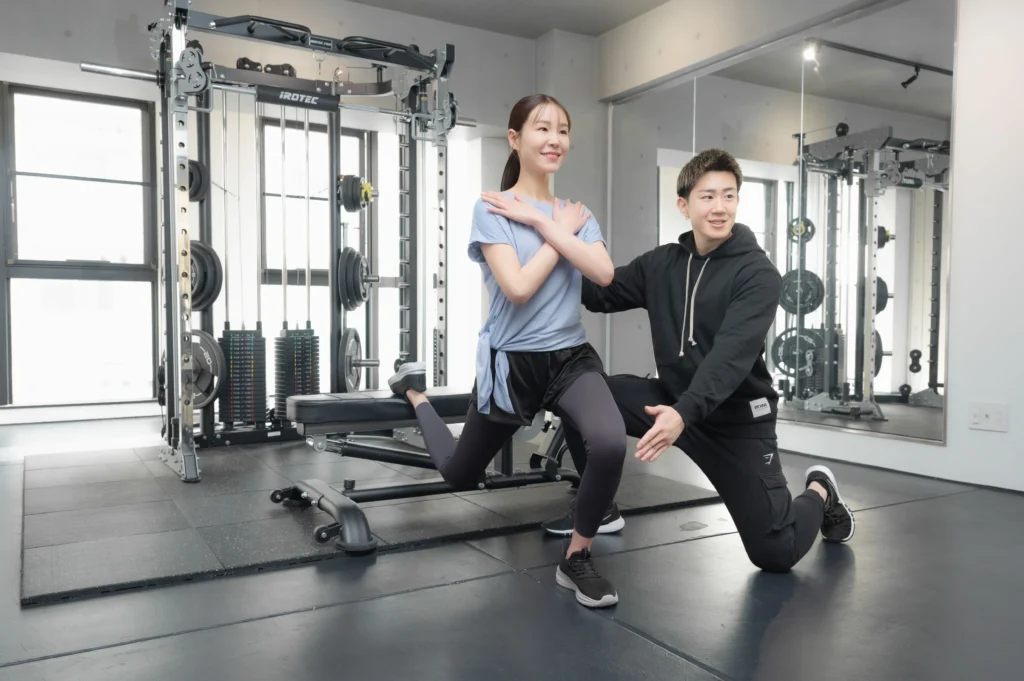
To avoid the regret of spending money without seeing results, choosing the right gym and maintaining healthy habits are essential.
The effectiveness of personal training doesn’t come only from the sessions themselves.
Results improve when you incorporate your trainer’s guidance into your daily lifestyle.
At FIT HIVE, experienced trainers support each client individually and help them achieve their goals through training and nutrition guidance.
The gym also offers completely private training rooms, making it a comfortable environment even for beginners who may feel self-conscious.
If you’re wondering whether personal training is worth it, why not start by experiencing the atmosphere for yourself?
Book a free trial training session at FIT HIVE today.

\ Get the latest news /
